City of Weed Services, Infrastructure, and Community Priorities
The City of Weed provides a range of services that residents, businesses, and visitors rely on every day. These services include police and fire protection, road maintenance, waste water infrastructure, and day to day City operations.
Like many communities across California, the City is facing rising operating costs, aging infrastructure, and increasing demands on public services. As part of its long-term planning efforts, the City is sharing information about how City Services are funded, the challenges affecting local infrastructure, and the financial pressures facing the community.
The City of Weed will host two community meetings to share information, answer questions, and gather public input related to City services, infrastructure, and long-term financial planning.
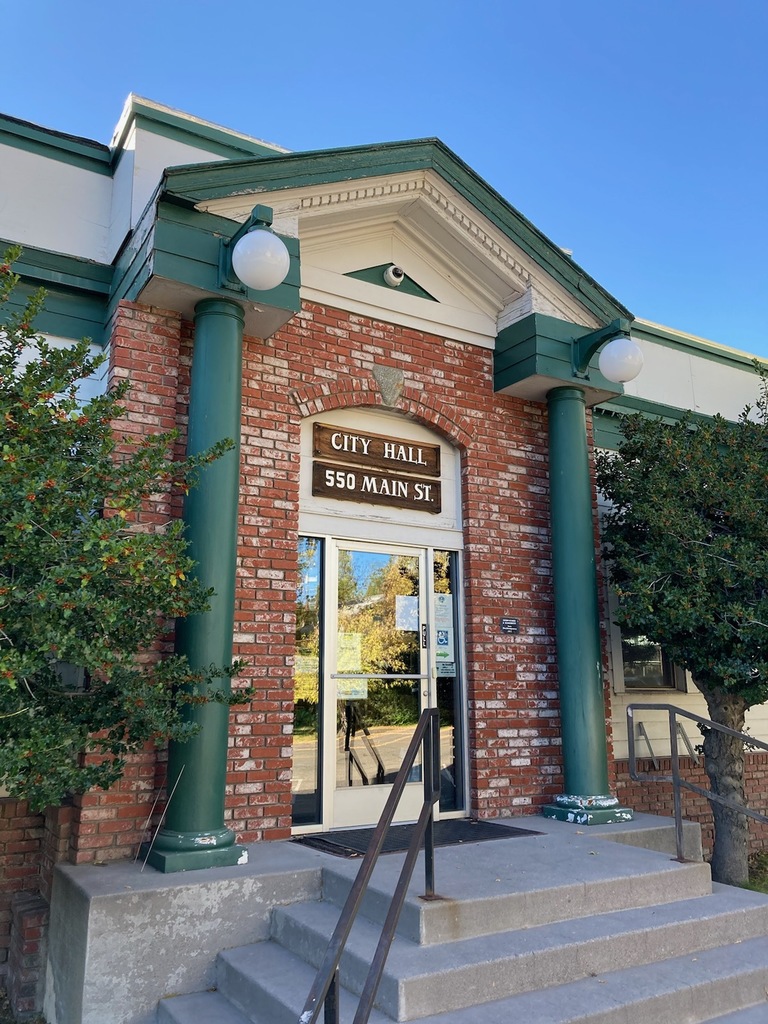
June 24 at 1:00pm, City of Weed City Hall 550 Main Street
&
June 24 at 6:00pm, City of Weed City Hall 550 Main Street
June 30 at 5:30 PM
Virtual Via Zoom Signup: www.bit.ly/cityofweed
Residents are encouraged to attend, learn more about City services and infrastructure, and participate in the community conversation.
If you were unable to attend, please watch the video below to view our presentation.
City Overview & Services
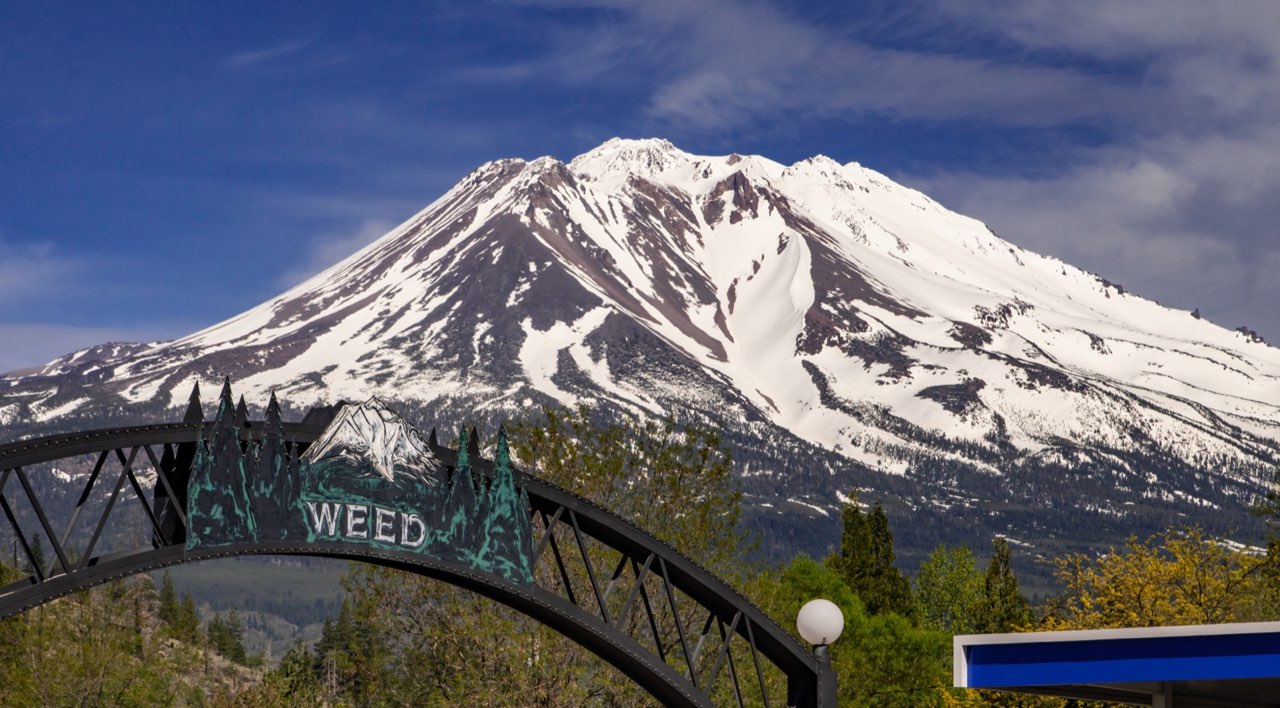
Weed is a full-service city of approximately 2,700 residents located in Siskiyou County near Mount Shasta. Originally established as a lumber town, the City has evolved over time while maintaining a strong sense of community and local identity.
The City provides many services directly, including police, fire, streets, water, wastewater, and administrative operations. Maintaining these services requires ongoing investment in staffing, infrastructure, equipment, and facilities.
Infrastructure & Service Capacity
The City maintains approximately 25 miles of roadway, along with water and sewer systems of similar scale.
Some of the City’s infrastructure dates back several decades. Portions of the sewer system include components from the 1940s, and the wastewater system is operating near capacity. Gaps also exist in storm drainage infrastructure.
Approximately 15 miles of roadway require repair, with an average Pavement Condition Index (PCI) of 52, indicating fair to poor conditions.
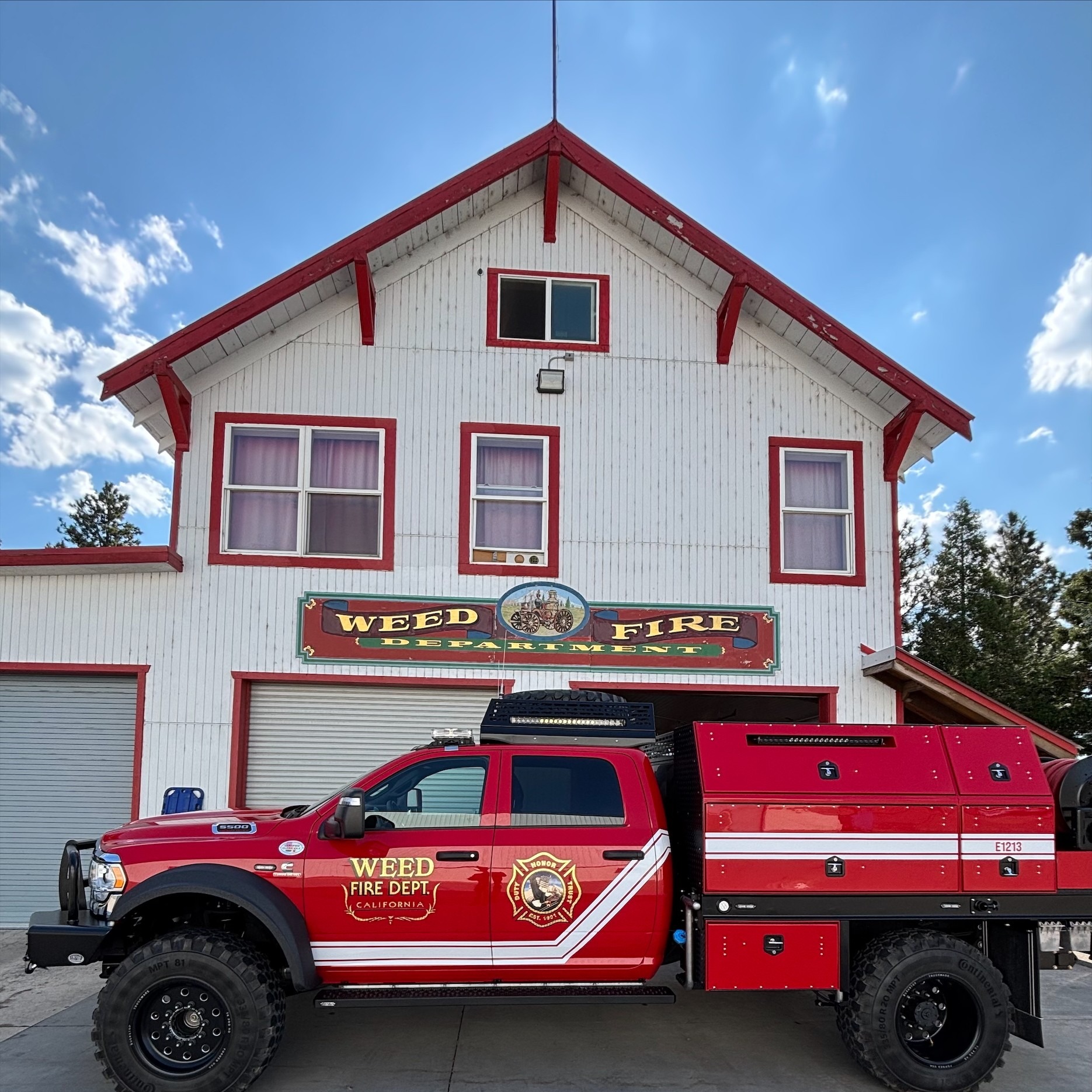
Public safety demands have also increased in recent years. Fire responses increased from 402 calls in 2023 to 812 calls in 2025. Many of these calls are medical in nature.
Staffing challenges also affect service capacity. The Police Department is authorized for nine officers, though one position has remained vacant for several years. Fire response capacity is also affected by declining volunteer participation and ongoing recruitment challenges faced by many rural communities.
Wildfire risk also remains an ongoing operational and financial concern for the City and surrounding region.
How the City Budget Works
The City does not operate from a single pool of money.
The General Fund supports core City services such as police, fire, streets, and administration. Other funds, including water, wastewater, and grant funds, are legally restricted to specific purposes and cannot always be used for general operations.
This limits how some City revenues may be spent.
How the City is Funded
City funding comes from a combination of local and externally controlled revenue sources.
Much of the City’s funding is restricted for specific uses. General sales tax revenue is one of City’s primary flexible revenue sources and helps support core services and operations.
Approximately 44% of local sales tax revenue comes from fuel and service stations, and more than one-third comes from state and county allocation pools. As a result, some City revenues are influenced by factors outside local control, including travel activity along Interstate 5 and statewide allocation formulas.
Funding Flexibility & Revenue Constraints
Many city revenue sources are restricted by law and may only be used for specific programs, infrastructure, or services.
Flexible General Fund revenue is more limited and must support a broad range of City operations, including public safety, streets, administration, and other essential services.
As operating costs continue to rise, maintaining flexibility within the General Fund becomes increasingly important.
Fiscal Pressures & Deferred Maintenance
The City has taken steps to manage costs and maintain stability within existing resources.
Departments continue to operate with lean staffing and long-term vacancies. Maintenance and capital projects have been deferred over time to preserve core services, and one-time funds have been used to address short-term budget pressures.
Despite these efforts, long-term fiscal pressures remain. Operating and infrastructure costs continue to rise, while aging facilities and infrastructure require ongoing repair and replacement.
Revenue Considerations
The City continues to evaluate options to address long-term fiscal and infrastructure challenges.
This includes reviewing how existing revenue sources perform over time and exploring potential approaches to maintain service levels, preserve infrastructure, and strengthen long-term financial flexibility.
Any future revenue measure would require review by the City Council and approval by local voters.
The City encourages residents to stay informed, attend upcoming community meetings, and participate in the community conversation.